Am I a racist?

Racism is a sensitive subject whenever and wherever it is approached. As an American Christian I am disappointed once again that we have not moved enough toward equality and understanding between races in this country. Since Ferguson and other racially complex events in the last few months, we should be asking if Christians are making a differnce in society? I ask myself the difficult question, Am I a racist?

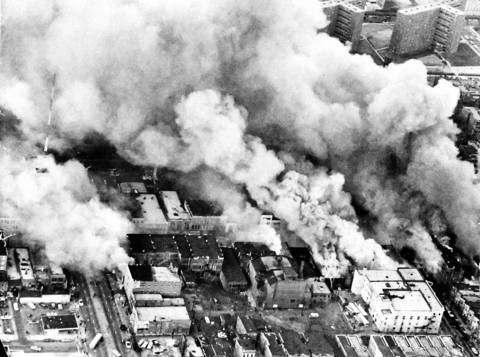
Every February during Black History Month, we baby-boomers relive some of our own history as we watch it portrayed on television. For me it is important to be reminded that I lived in Chicago during the riots after Martin Luther King was murdered. I lived through the marches and Jesse Jackson’s Rainbow Coalition.  I worked with homeless mothers and children during my MBI years in the neighborhood that I now pass every visit to Chicago. These events sparked my own high school level social conscience and grew it into a more mature social awareness…just moving my awareness in incremental ways. I don’t want to ever stop growing in that understanding.
chi-mlk26chicago-20080228

I will add that this morning, in a classroom of 30-somethings at our church, we heard some honest reflection about discerning our social and spiritual conscience about racism. First, just to bring up the subject for open discussion is a very worthy effort. Second, the honesty of these GenX’ers is always refreshing, as statements were made like, “I didn’t know my parents were racists until my sister married an African.” and  “I don’t know why but it doesn’t seem  that this subject is as important to me as it is to others”.

It was also shared that the level of our own personal racist attitudes are often hard to recognize since we live with such “white privilege”.  We can be blind to where we are on the racist spectrum unless we unpack it and analyze it honestly and continue to educate ourselves with God’s perspective.

The subject quickly moved to the importance of knowing what and how to talk about these sensitive subjects with children, (and as we realized, our grandchildren). It is true that conversations about race are important to initiate and so is what we don’t say…after all, we know as much is caught as taught.

All of this great discussion with this class prompted a conversation afterward between my husband and I.  Our own efforts back in the day with our daughters were around exposing them to the real world. Minorities were not far away.  And though we did live in Africa for months at a time during their formative years, the dialogue still needed to happen.  How to treat immigrants and refugees around us in our suburb and our schools was a subject to talk about. The city of Chicago afforded us ways to educate and experience life in black communities. We tried to instill the value of reaching out in Jesus’ name.

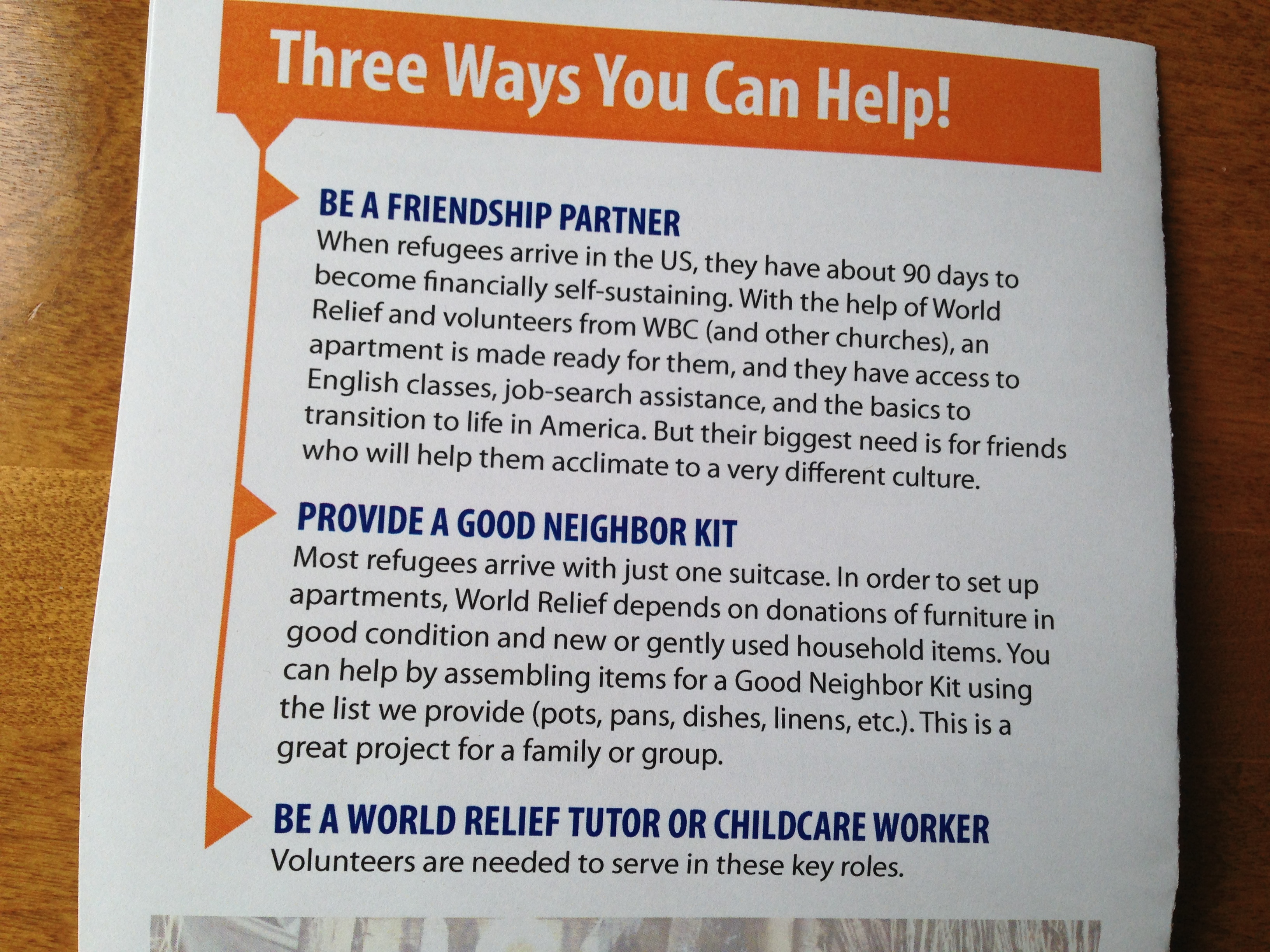
This morning our church also reminded us of how we can help welcome refugee families into our area. Being intentional is the key.
IMG_0494

from today’s bulletin

Granted, one great divide is race, but it should be acknowledged that a greater divide is often based on the economic divide caused by poverty. Our prejudice is often aimed at those who are poor or under-resourced more than actual racial differences alone.  Our resources can separate us more than the color of our skin. The solution starts with understanding, which usually moves us to compassion. Understanding comes by getting involved with someone who is from another race and/or lives in poverty.  There are many who would say that there is NO other way.  It is Jesus’ example.  It changes our minds and our hearts.

The most important foundational truth is that we are ALL made in God’s image.  Imago Deo. We are all valued equally in God’s sight. We must treat each other as equals in every situation.  This is God’s design for how we are to live as His followers.

Spiritual seekers go to the internet

There is a phenomenon that I have just recently learned from Christianity Today’s (CT) story about evangelism through online outreach sites.  And at the same time I have been hearing about many Muslims in various countries, including our own, who have become disillusioned with Islam and have become self-proclaimed atheists or nominal believers. Others are outright seekers who God is speaking to in many ways, including dreams. Here is another way.

Take a look at what CT has learned from 2 organizations who do evangelism online.  The Billy Graham Evangelistic Association (BGEA) and Campus Crusade for Christ’s Global Media Outreach ministries have launched over 250 evangelistic sites that give people a place to find answers to questions like, “Why doesn’t God answer prayer?” or “Why does God hate me?”  On BGEA sites alone, over 20,000 people view a gospel presentation every day, essentially “a crusade a day online,” says the director.

typing-on-black-keyboard

And you may want to sit down to read some of the results. In less than 4 years, the BGEA has had more than 5 million people indicate decisions for Christ.  Global Outreach Media reports more than 30 million decisions in the 10 years they have been in existence. (And the caveat is that the numbers coming from the sites are fully trackable.)

Now of course, we all can imagine that “indicated” decisions are similar to a person raising his hand in church in response to an evangelistic appeal, and that one needs help to become a fully devoted follower of Christ. But what we can assume is that God is doing some kind of work in these lives and the Holy Spirit can use the internet.  An added fact is that most visitors to these sites spend at least 7 minutes and manage to navigate 6 pages of the good news from the Bible. It is a good beginning. Let’s pray for them to become more connected with other Christ followers.

I will encourage you to read the rest of the story in the March 2015 issue of CT, but my editorial comment is along the lines of wanting to exclaim, “And who knows how many of these anonymous internet seekers are from Islamic backgrounds!” We will never know until heaven, but I am sure the numbers of “secret believers” around the world will continue to climb.

Life at Hope for Life Kenya

Tags

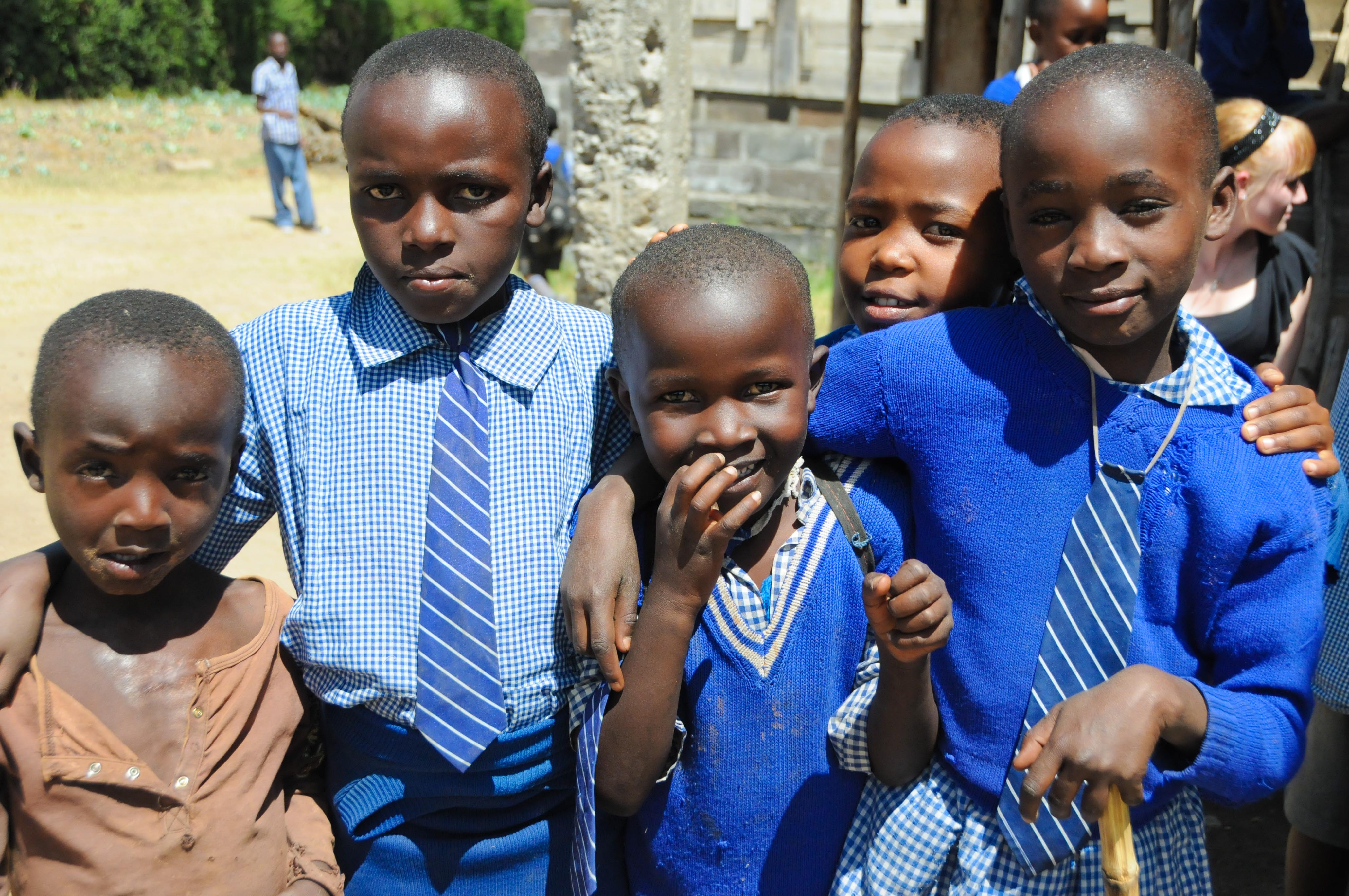
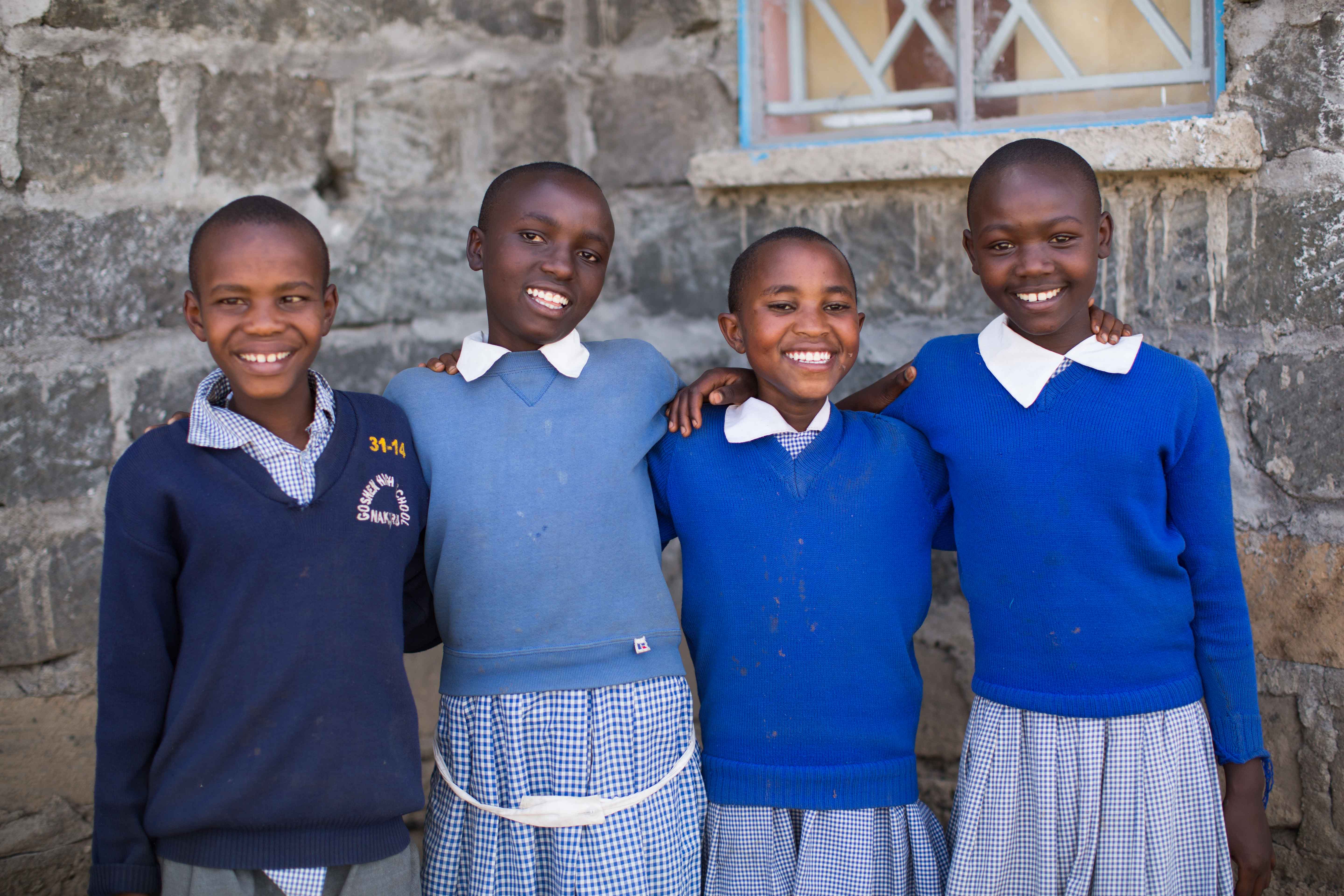
I want to introduce you to some of the 31 high school kids who have been nurtured and mentored at Hope for Life (HFL) Kenya. This Orphan Care ministry, (now a US not-for-profit under Faith and Learning and an NGO in Kenya) takes care of 150 kids. This ministry has grown since my church became involved in 2004 and I would say that Hope for Life has virtually raised this particular group of teenagers since they were elementary children.

DSC_5670Here are some of the small children in 2007.

It’s amazing what these children have lived through in their short lives. I’d like you to understand a bit about their situations. They have had to grow up very fast as they have come from homes where their mom or dad has passed away during their young years from HIV/AIDS. As most people are aware the AIDS crisis continues to devastate Africa.

Let me share a few common facts about HIV/AIDS and how it affects a family. HIV (Human Immunodeficiency Virus) is a sexually transmitted infection. Promiscuity is a problem in Africa as it is everywhere. Yet the disease can also be spread by contact with infected blood or from mother to child during pregnancy, childbirth or breast-feeding. It can take years before HIV weakens the immune system to the point that one develops AIDS (Acquired Immunodeficiency Syndrome), which is a chronic and often life-threatening condition in Africa.  Opportunistic diseases attack the HIV+ person’s weakened immune system. Soon the person is very sick from the virus. Though Antiretroviral (ARV) medicines and a healthy diet can stem the progress of the disease, they are often out of reach in Africa.

So the children I will introduce you to have experienced a family life like none we have known in our culture in the US. The stresses of parents constantly being sick and unable to hold a job or care for/make meals for their children is the least of it. There are so many other stresses as people die, and extended families squabbling over a new knowledge of someone being diagnosed with HIV.  The shame, stigma, and in-fighting makes day to day life miserable and often dangerous.  I can say that this is a common experience with most of our Hope for Life kids.

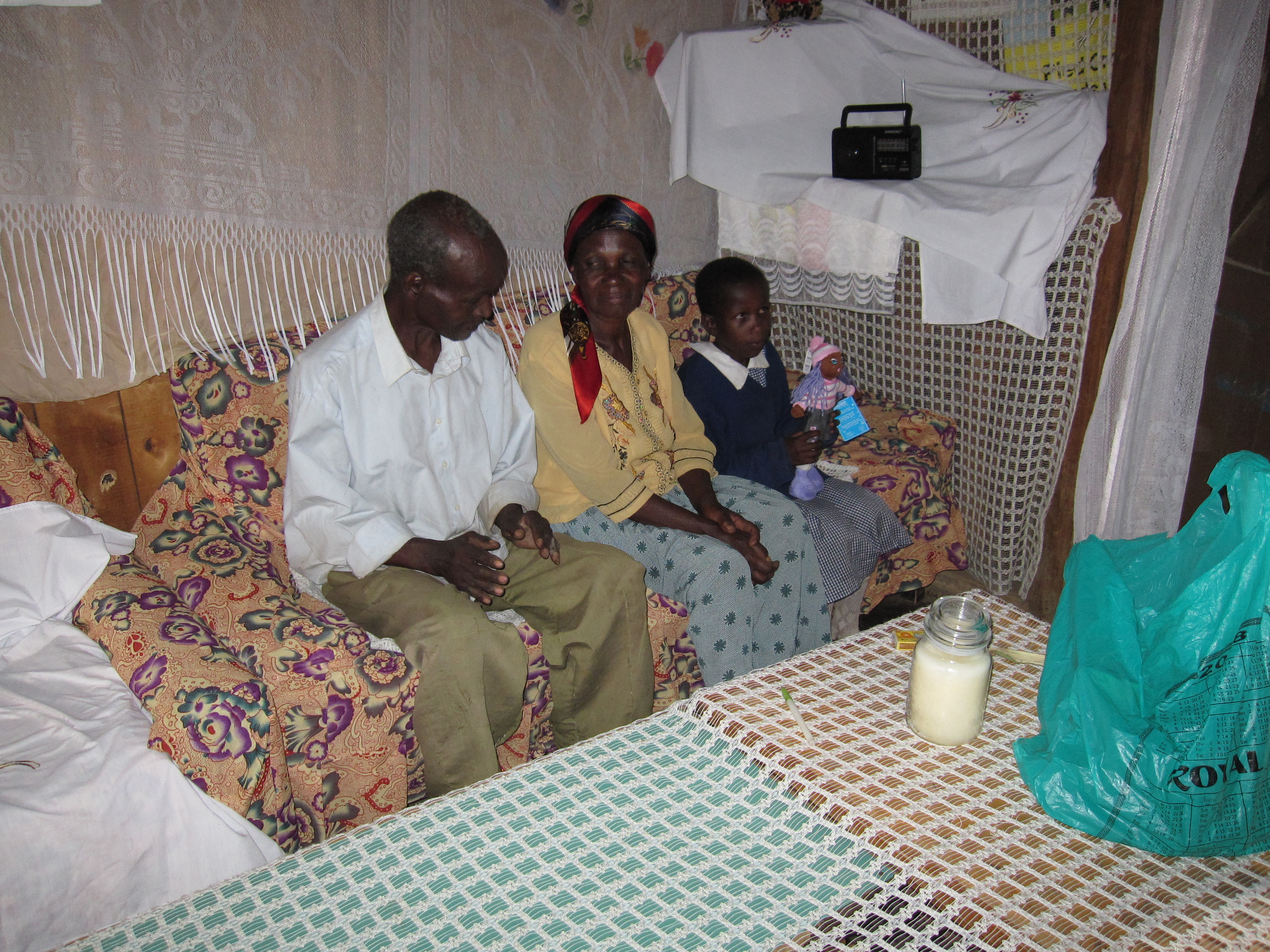
Child being raised by grandparents

Child being raised by grandparents

The HFL director, Josephine Kiarii intervenes in these circumstances and tries to make sure that the kids are in safe homes with new guardians or with extended family members. Josephine does not put them into an orphanage, as very few exist in Africa as there are a million AIDS orphans in Kenya. The commonly held “best practice” for care for AIDS orphans is a center like Hope for Life, often associated with a church or NGO.

745

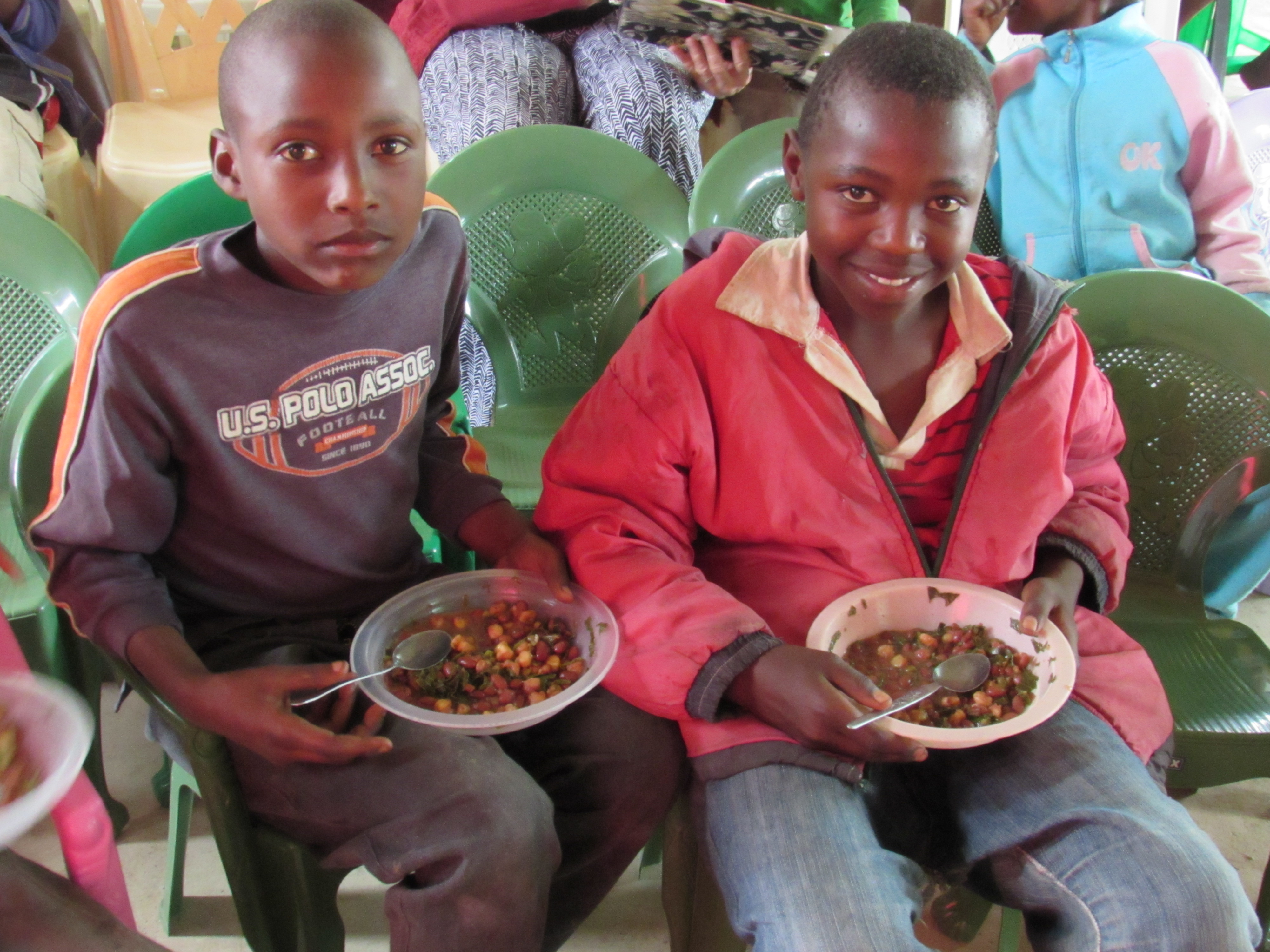
She brings these children into the center that was created just for them. The loving care, the meals, the after-school tutoring, playground, music, and biblical teaching all come with the center. All of this nurturing has born huge benefits as most of the children have met Christ as their Savior and friend..

IMG_0169

Now, 11 years later we have high schoolers, who came in their early grade school years, and are now responsible teenagers, old before their time, in many cases, who follow Christ and take spiritual leadership of the younger kids. They have done well in school, have been tutored in a vocation or a trade, and have been mentored by Josephine, her staff, and area pastors. They have now been accepted into high school in early 2015 as they qualified by their school exam scores.

All of these kids need our help.  You can learn how to sponsor one of these kids for his/her high school years. I hope that you may find the compassion to consider $30 a month or more to support a high school student this year. The sum of $97 a month would sponsor one teen for the next two terms through December 2015. Click here to learn more and support a student.

Let me introduce you to some of these kids over these next weeks. If you would like more information about any of them or would like to pray specifically for a student, please contact me.

Meet Joseph T. 

kellylemonphotography.interviews.joseph-1 Joseph “Jose” and his 5 siblings are in the Hope for Life (HFL) program. He is the “glue” in his family and his home life is not easy, as they often live in crisis. He is a strong servant leader both at Hope for Life and church. He initiates teaching Scripture to the boys at HFL. He particularly loves drama and poetry. Besides being the commander of the church young boy’s battalion, he enjoys “Gospel” dancing, a common Sunday morning program at Africa Inland Churches and he pitches in with church set up.  He is grateful to HFL for helping with his reading skills and the gifts of clothing through the years. He has started high school and his favorite subject is science. He wants to be a journalist and dreams of traveling to India someday.

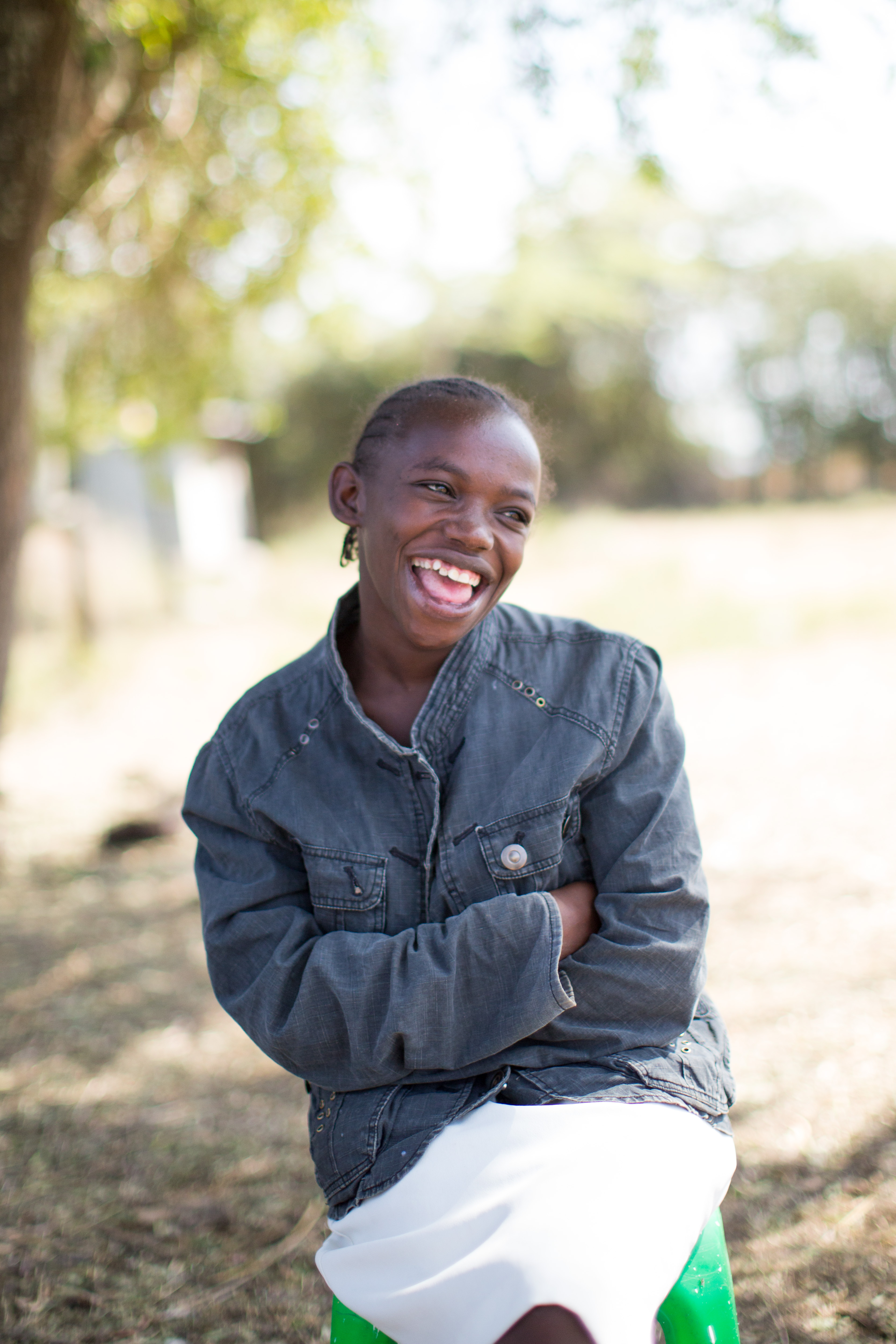
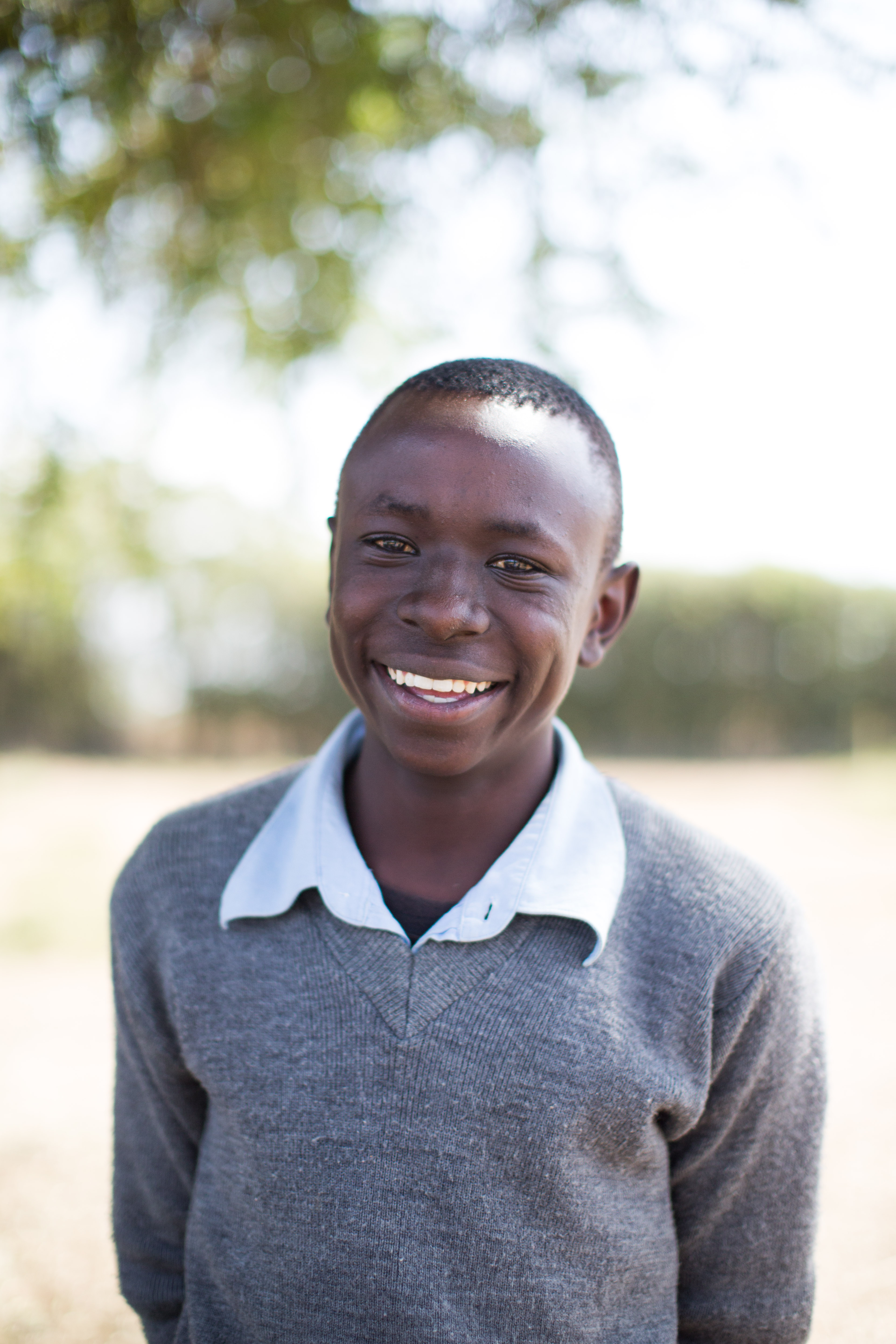
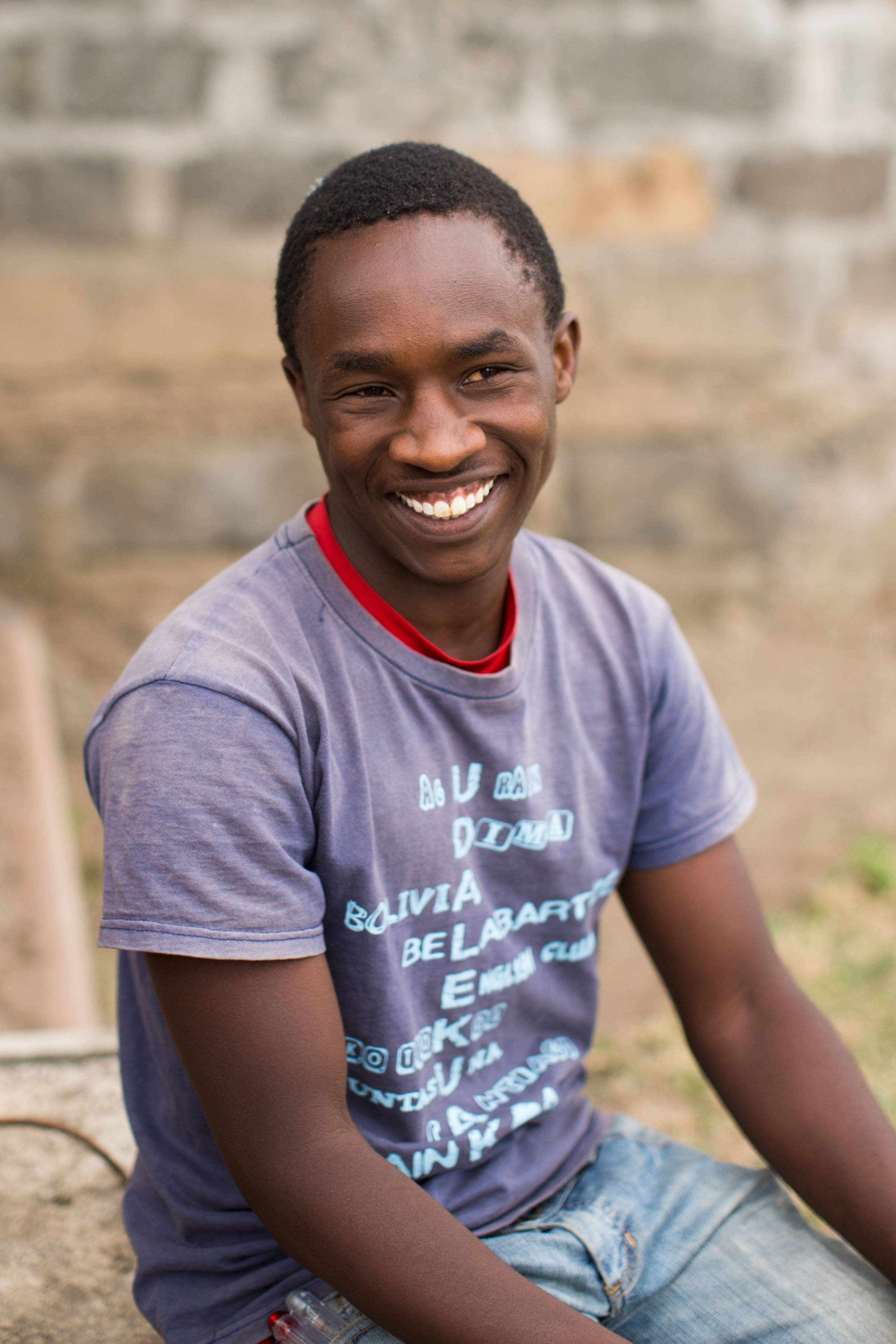
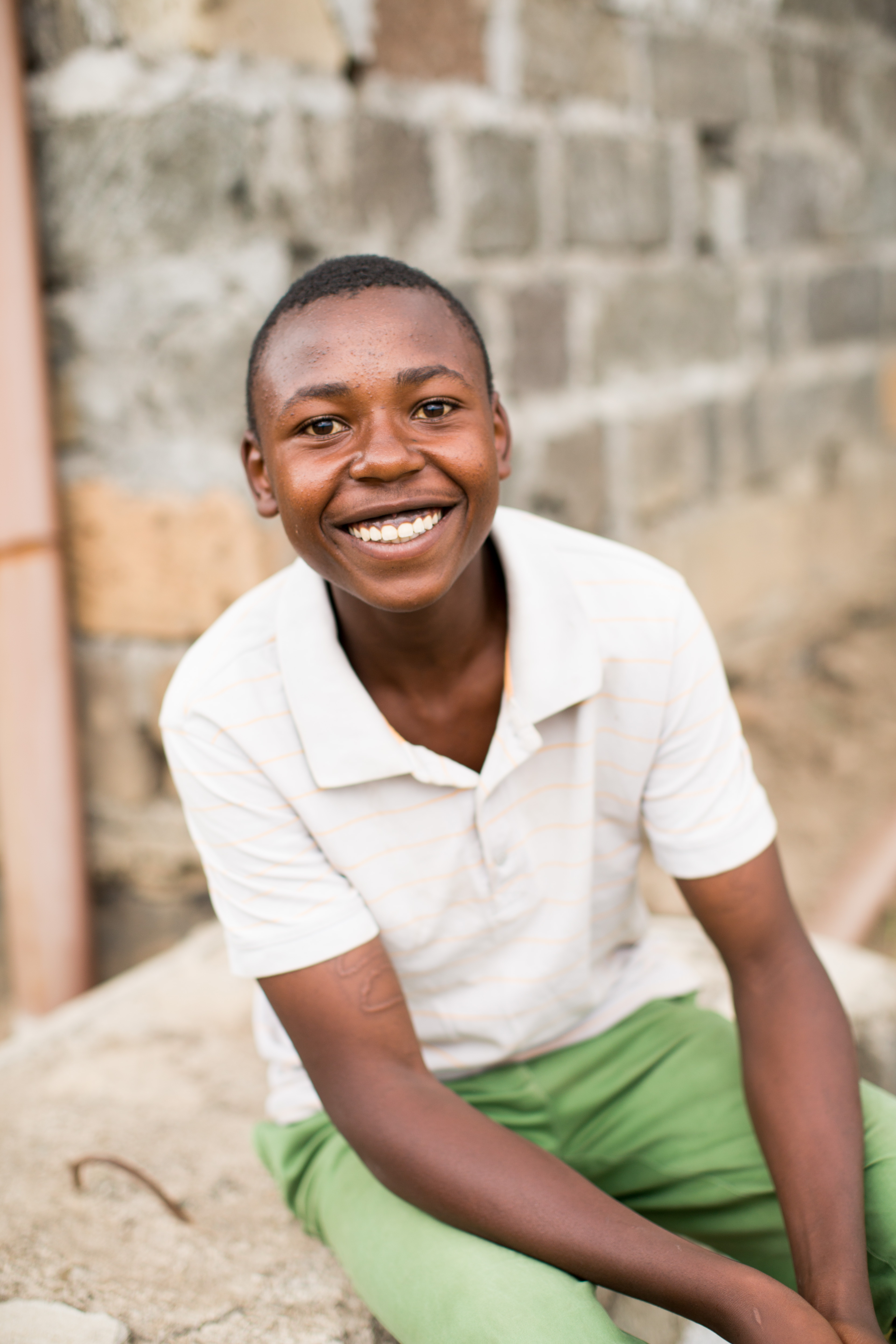
Look for more introductions to these great kids coming soon.  They all are worthy of your support and prayer. Below : Alice, Anthony, Joel and Daniel

Photos compliments of Juli Watt Photography & Kelly Lemon Photography

View the blog of this photographer for beautiful pictures of Hope for Life taken in January 2015.

kellylemonphotography.interviews.alice-1kellylemonphotography.interviews.anthony-2

hopeforlife.juliandkellyphotos-20kellylemonphotography.interviews.daniel-1

Our sabbatical from suburbia

Throwback Thursday features my husband’s description of our family moving to Kenya for a year in 1990, from the Introduction to his book about that year, Unfamiliar Territory.

It was only one year. From this side of it, it seems absurd to have wrestled with it as much as I did, but at the time, spending that year in that way seemed like a high-risk venture. It is only now, looking back ten (now, 25) years later, that I see just exactly what the risk really was. In reality, the greatest risk was that which comes of listening too carefully to common sense and making ordinary choices. A risk made all the more dangerous by the fact that it tends to masquerade as being no risk at all. The greatest risk we faced was that we might have said no and missed the year altogether. It was a year of living out of context. A year of living in unfamiliar territory, and something about being there, without the familiar props of our personal culture, distilled us down to our simple selves. Evenings that before had been jammed full of perfectly good things like work and Brownies and gymnastics and church, would give way to evenings filled with something even better—one another. The year would become the line running through the middle of our family’s life. It was time outside of time. A time that stripped us of all things familiar, leaving us holding to nothing else except the unshakable essence of three things: our essential love for one another, our most basic faith, and our own unspoken hopes. It was our time, it was a gift, and by it we would measure the rest of our days.

Judge, James (2001). Introduction of Unfamiliar Territory (Kindle Locations 63-69). Thomas Nelson. Kindle Edition.

unfamiliar territory cover img046 img020img042

Throwback Thursdays

I’ve decided to go with the common trend on Thursdays. There are some Judge memories made in Africa that connect with today in some interesting ways.

The first one will be starting next Thursday and will take you down memory lane when the Judge family spent the 1990-91 school year in Kenya. Our kids were young and impressionable and we parents were energetic and enthusiastic. It was a fabulous year…one we would all relive if we could. My husband, Jim wrote a book about that year that you can find as an ebook, Unfamiliar Territory (James Judge).

It started with a challenge from our Pastor Bill Hybels to give God a costly gift that year. Having a dream to take our family on an extended mission experience some day, we gave a costly gift of a year in Africa. We sold our house and lived on the profits for a year in Kenya. It was given as a gift to God in service, but as is often the case, we received much more than we gave.

I look forward to sharing with you how it went, what we learned, and how it affects so much of our life today.

If you would like to read more, order Jim’s ebook.

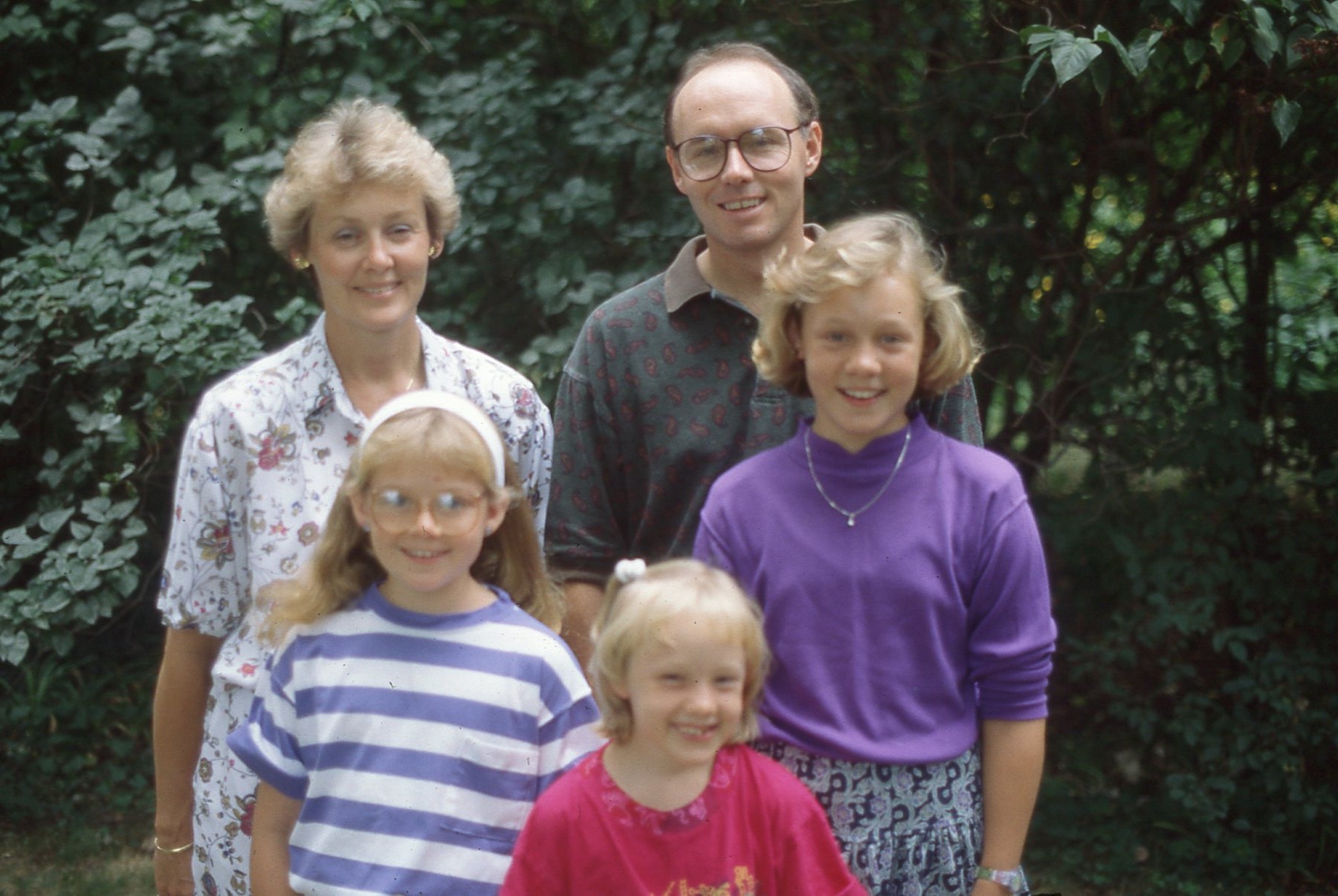
Pictured in 1990, Cindy and Jim Judge, l. to r. Katie, Jennifer, Emily

img021 img022

Missionary women are just like us.

My friend and Thrive Director, Lorrie Lindgren (click above or www.thriveministries.org ) told me about some stats she uses when presenting the need to reach out to Christian workers around the globe. She found these statistics from Christianity Today and other sources.

Lorrie states, “There are approximately 75,000 North American women working full time around the globe.  There are 130,000 full time workers.  Knowing that more than half of them are women, we project the 75,000 number.”

The Thrive purpose for reaching out to global women with a 4 day retreat in four different places in the world each year, is mainly focused on rebuilding, renewing and caring for women missionaries to help meet their needs spiritually while on the field. Thrive hopes they will not just survive, but thrive where they are and and do the work for the kingdom that they went to do.IMG_0260

As you can imagine…as the saying goes, “If mom ain’t happy…” in this case…the missionary family may leave and go home.

When most of us are unhappy, we have a lot of options. We can find support pretty easily. We have resources that those overseas don’t have.  Let’s try to understand how we can support missionaries when they are on the field and when they come back to your town or mine. Let’s make sure we reach out and get to know them. Our friendship may be just what God uses.

Retreat in Tanzania in Oct. 2014

Retreat in Tanzania in Oct. 2014

IMG_0182

Why a blog?

Since I returned from Tanzania and Kenya in early November, I have been bursting with things I have experienced, learned and want to share. I can say I have been again profoundly moved by seeing God’s love for His children around the world.

As I reflected on these last months, I became more and more motivated to share what God is doing around the world. I want to share with you, my friends, what you may not find elsewhere…a quick read about some incredible things that are happening around our world that will grow your heart for God.

I have wanted to start a blog aimed at expanding hearts. Once a friend told me that missions-minded people are intimidating. I think that comment could have come from an honest curiosity about how you can begin to learn about this huge world of ours. I hope this blog will grow your interest and your heart.

Blogs are about passions. When thinking about a name for this blog, I racked my brain. One idea that came to me was a simple phrase, Ever Devoted. However the concept is far from simple. As long as I can remember I have had a passion for the commission that we have been given by Jesus to go and make disciples of all nations. I pray that I continue to be ever devoted to reaching across boundaries and cultures with the good news of Jesus’ redemption. May it be so.

Some of you may recall an album by the name, Ever Devoted.  It is a CD that Willow Creek Community Church, (So. Barrington, IL)  released in 1989. When we were members there in the 1990’s, we sang these worship songs every week. When we brought this CD home, my kids devoured it. So those two words mean a lot of things to me. We knew the singers and we knew the lyrics…God used that music to shape our lives.

Last Thursday something amazing happened when I visited my daughter’s home. Her husband was going to help me set up this blog that day and as I walked in the door, the wonderful music from that very CD was filling the house. I had not heard it in years. It was a confirmation of sorts to me…as it moved my heart immensely.

This blog will be a simple one. I plan to use lyrics, quotes from some of my favorite authors and bloggers, and things to ponder that come from greater minds than mine. I hope you will be challenged in your daily walk to stretch past your comfort zone and enlarge your heart for the world. Who knows how God can use us.

[Much of the photography I will use from East Africa is compliments of  Juli Watt Photography & Kelly Lemon Photography] www.kellylemonphotography.com